Emergencies do not announce themselves. A colleague drops at a desk, a kid breathes in water at the swimming pool, a neighbor cuts deeply while food preparation. In each instance, a person close by becomes the very first -responder. Whether that individual ices up or acts depends much less on valor and more on training. A consolidated first aid and CPR course provides daily individuals the skill and self-confidence to relocate emphatically when mins matter.
I have shown first aid courses and CPR training to office teams, trainers, new moms and dads, tradies, and care workers. No two classes really feel the very same, yet the payback repeats: individuals leave recognizing what to do, when to do it, and what to stay clear of. They additionally entrust a first aid certificate that employers acknowledge. The credential matters, but the genuine value hinges on the judgment that expands from hands-on technique and truthful discussion of real incidents.
What "ready" in fact looks like
Readiness is greater than memorizing acronyms. It is the capability to scan a scene for dangers, choose concerns, and begin the right actions in the right sequence. In first aid training we replicate the turmoil: sound, spectators, unpleasant rooms. Your brain discovers to tighten its focus and adhere to a strategy. When a real emergency situation arrives, that strategy punctures adrenaline and doubt.
Readiness likewise means understanding restrictions. An excellent first aid course does not attempt to make first aid training Albion you a clinician. Rather, it attracts a limit around what lay -responders should do. You learn how to acquire time, avoid degeneration, and hand over to specialists with a clear, concise report.
Why set first aid and CPR
CPR on its own conserves lives in cardiac arrest, yet numerous emergencies start as another thing. An allergy cascades to an airway problem. A seizure brings about head trauma. A suspected spine injury complicates breathing analysis. A mixed first aid and first aid course near Melbourne cpr course prepares you for the chain of occasions, not just a single thread. You exercise the shifts: from assessing risk to examining reaction, from regulating hemorrhaging to calling for a defibrillator, from healing position to chest compressions if breathing fails.
Another factor to integrate them is retention. Skills discolor without use. The range in first aid and cpr courses maintains people engaged enough time for muscle mass memory to hold. I have enjoyed pupils who fought with compressions in the initial hour come to be crisp and certain by the end of the day after rotating with scenarios that weave CPR with burns, choking, and shock.
What a strong program covers
Programs vary by region, however the core web content shares a foundation that maps to actual events. A top quality first aid course, specifically one run by a first aid pro with knowledgeable teachers, tends to include:
Primary survey and scene safety. You discover to look for dangers like web traffic, electrical energy, gas, or hostile behavior, after that to inspect feedback, air passage, breathing, and circulation. The series matters greater than the letters individuals argue about. In practice, it is a smooth circulation: is it safe to method, can the individual respond, is the air passage open, are they taking a breath normally, do they have major bleeding.

Calling for assistance. This appears insignificant up until you attempt to stay calm, provide an accurate location, and summarize what is happening while you are stooping on a shop floor. We pierce this because a clear very early phone call brings the best resources sooner.
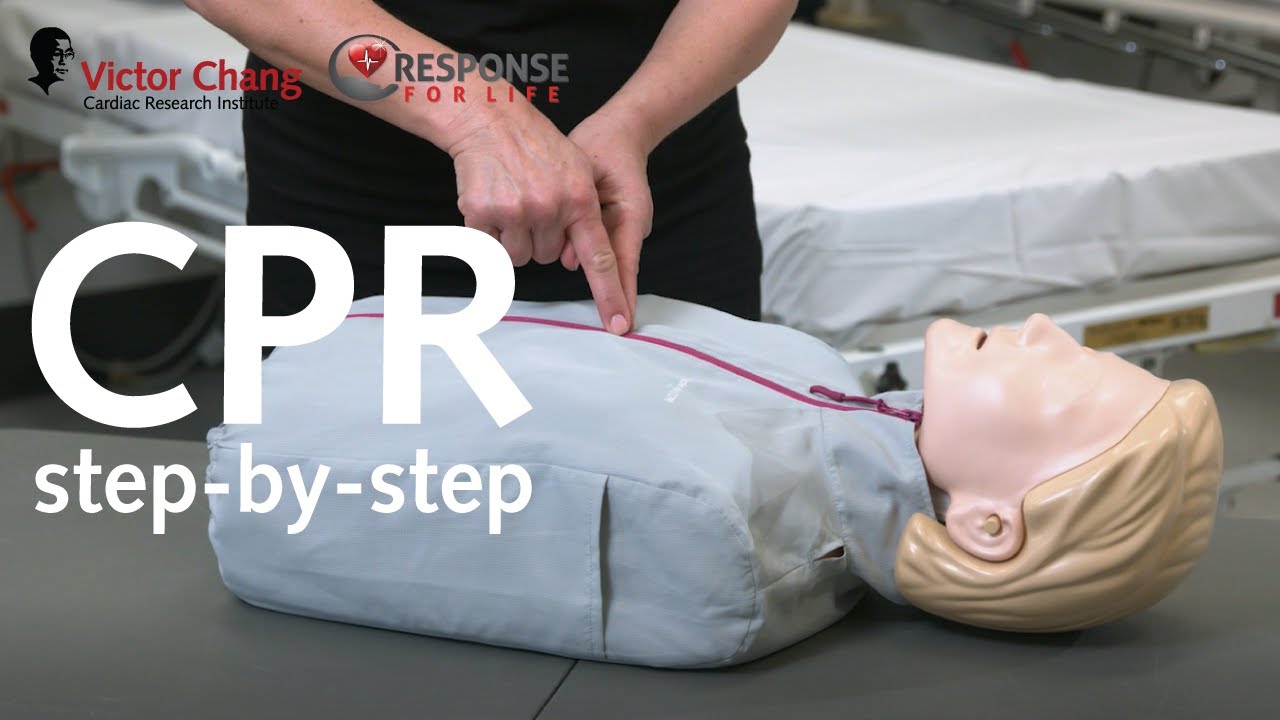
CPR and defibrillation. A cpr course obtains you on the manikin for compressions that strike deepness and rate, roughly 5 to 6 centimeters at 100 to 120 per minute for adults, with full chest recoil. You exercise breaths making use of barrier gadgets and you discover hands-only CPR for when a mask is not readily available. Automated outside defibrillator usage becomes second nature: turn it on, follow prompts, clear before shocks.
Airway and breathing issues. We cover choking for every ages, from back blows and stomach embed adults to customized strategies in babies. You find out to identify and manage asthma flare-ups, hyperventilation, and presumed anaphylaxis, consisting of auto-injector use if your jurisdiction permits lay use.
Serious blood loss and shock. Direct stress, wound packaging when proper, improvisated and commercial tourniquets, and altitude approaches. Individuals frequently wait to make use of a tourniquet. In training course after training course, a straightforward, timed exercise shows how rapidly blood loss adds up and why crucial action conserves arm or legs and lives.
Medical emergency situations. Indications of heart attack and stroke are misread more often than they are missed. Students learn to pick up atypical signs, especially in ladies and individuals with diabetes mellitus. We additionally discuss diabetic lows and highs, seizures, and opioid overdoses where naloxone might be available.
Injuries. Cracks, sprains, head injuries, and presumed spine injuries call for constant handling and profundity. You exercise stabilization and when to leave well sufficient alone up until professionals arrive.
Burns, bites, and environmental threats. Cooling burns with trendy running water for 20 mins, not ice. Staying clear of lotions that catch warm. Managing warmth health problem and hypothermia with simple, effective steps. Acknowledging when attacks or stings need immediate attention.
Post-incident treatment. Tidying up, documenting, and coping. People neglect this component. After an intense event, spectators sometimes shake for hours. Programs that recognize that stress and offer simple debrief strategies help individuals recover.
Not every session strikes every subject at the exact same deepness. A construction team might invest even more time on crush injuries and bleeding. A child care team will pierce pediatric air passage management. The usual thread is realism, appropriate strategy, and decision-making.
Certification, renewals, and why refresher courses matter
A first aid certificate is usually valid for 2 to 3 years depending on regional guidelines. CPR certifications are typically legitimate for year. Those timelines are not random. Studies show measurable skill decay within 3 to 6 months for CPR if not practiced. By a year out, compression deepness and rate drift, hand positioning wanders, and people neglect exactly how to operate an AED without added prompts.
A cpr refresher course is the antidote. Short, concentrated, hands-on practice resets muscle memory. I encourage teams to schedule refreshers regularly than the formal demand when viable, particularly in workplaces with higher danger. If budgets are limited, turn team so at the very least some individuals are fresh each quarter. Even 20 minutes of experiment a responses manikin enhances performance.
For combined programs that blend on the internet concept with an in-person session, keep the hands-on part. Video clips help with ideas, however absolutely nothing changes the feel of a chest rebounding under your palms or the audio of an AED introducing rhythm analysis.
How to pick the ideal provider
Credentials and logo designs aside, the instructor shapes your experience. Seek a carrier whose fitness instructors have both qualification and field direct exposure. A paramedic who educates on weekends brings tales that stick. A seasoned school nurse can discuss subtle pediatric cues better than a script can. Also check class dimension. Once a group goes much beyond a loads, manikin time drops and peaceful students conceal in the back.
Ask regarding devices. Modern training manikins provide immediate comments on compression depth and price. AED trainers should match the versions common in your area. For first aid scenarios, straightforward props go a long means: tourniquets, wound packs, epi-pen trainers, and inhaler spacers. Training courses that reduced corners here leave individuals underprepared.
Consider importance. General first aid courses are a strong base, but a customized component makes a distinction. A friendliness team gain from added concentrate on burns, cuts, and drunkenness. Outside overviews need environmental and delayed evacuation techniques. Parents value time on choking hazards and high temperature management.
Finally, clear up the evaluation. Great programs do not stop working individuals for nerves. They instructor, provide 2nd chances, and make sure you can demonstrate secure, reliable technique before releasing the certificate. If a program seems to rush the check-off, keep looking.
What the initial minutes resemble in practice
Picture a late afternoon in an office. A 58 year old team member breaks down near the printer. Two coworkers listen to the thud. This is just how trained -responders make a difference.
They check for dangers, see none, and strategy. One faucets and shouts to check responsiveness. No action. The airway looks clear, the breast is still. They examine breathing for approximately 10 seconds. Not regular, possibly agonal. One calls out for someone to call emergency solutions and bring the AED from the entrance hall. The other begins compressions in the facility of the chest at a constant rhythm. Thirty seconds later on, a bystander glides the AED throughout the flooring. Pads take place, triggers overview them, a shock is advised. They remove the client and press the button. Compressions return to right away later. When paramedics get here, they locate a coordinated initiative already in progress. Survival chances jump since the chain of survival began early.
The exact same day, in a different structure, someone slices their forearm on a steel bracket. Blood flows quickly. An experienced colleague handwear covers up, uses firm straight stress with a folded fabric, and maintains it there without looking. They add a plaster over the top and keep pressure. When the towel soaks through, they include more on top as opposed to getting rid of the initial layer. Bleeding slows down, and they boost the arm or leg as sensible. If hemorrhaging does not reply to stress, they apply an industrial tourniquet 2 to 3 inches over the injury, keep in mind the time, and ask for transport. The actions take much less than a min to start, however they prevent considerable blood loss.
These are average people doing the best points in the ideal order. The confidence comes from hands-on repeating and recognizing what not to do.
What not to do, and why it matters
Old misconceptions resist. Ice on burns, turning the head back throughout a nosebleed, fish-hooking fingers into an airway throughout choking, slapping somebody seizing, forcing water right into a less competent individual's mouth. A first aid course knocks these practices down with basic descriptions. Ice aggravates tissue damages in burns; use cool running water instead. Nosebleeds like forward turn with stress on the soft part of the nose. Blind finger sweeps push blockages deeper. Seizures require a clear room and gentle security of the head, not restraint. Liquids go only right into individuals who are conscious and can swallow.
The 2nd classification of mistakes comes from reluctance or overreach. Doubt prevails with CPR. People are afraid damaging ribs or doing it wrong. Fractured ribs can take place, and they are a little price for circulating blood to a mind. Overreach turns up when somebody tries to straighten a bone, provide a drug outside their range, or move a person with a believed spine injury without a compelling factor. Training helps you identify when to act fast and when to maintain and wait.
Building a culture of action at work
One educated person assists. A trained group adjustments outcomes. Work environments that commit to routine first aid and cpr training see faster reaction times and fewer preventable difficulties. Plans back this up: clear event reporting, equipped and investigated first aid packages, AEDs placed where people gather, and drills that consist of most likely scenarios.
If you manage a group, remove rubbing. Release the area of first aid kits and AEDs. Post local emergency numbers if they vary from the default. Give -responders consent to quit what they are doing and take cost during an incident. Acknowledge their initiative later, also if the result is not best. People gain from near misses out on greater than from lectures.
Cost issues too. A full day course for a group of 10 may run the like a minor equipment lease, yet it minimizes wasted time injuries and responsibility. Insurance carriers see. Extra notably, your personnel notice that you value their safety.
Practical package advice from the field
Fancy gear stands out, but a well considered fundamental set addresses a lot more problems. Maintain gloves that fit several hand dimensions, an assortment of clean and sterile dressings, natural plaster covers that stick to themselves, a flexible splint, saline or tidy water for watering, a CPR face guard or mask, and a tourniquet you have actually practiced with. Add a couple of immediate cold packs for strains, a thermal blanket, and alcohol hand rub. Store any type of office certain items as policy permits, such as epi-pen trainers for education and spare spacers for inhalers.
Check expiration days and replenish checklists at the very least quarterly. Label packages clearly and keep them in secure, accessible locations. I have seen spotless packages locked in hardly ever made use of workplaces while individuals in the workshop taped gauze with strapping tape. Bring the kit to the work, not the work to the kit.
Training for families and area groups
Not all first aid training requires to be workplace accredited. Area sessions run by reputable companies bring next-door neighbors, instructors, and parents with each other for abilities that match their lives. A 2 hour night on baby CPR and choking provides brand-new parents a sense of agency. A weekend break refresher for a football club refines action to traumas and strains, with a frank talk on return-to-play choices. Confidence groups often organize mixed sessions that build social bonds in addition to skills.
For family members, rep ties to every day life. Exercise the recuperation setting with older youngsters in a playful means so they bear in mind the technicians. Go through how to call for assistance from your home address, and tape that address near the major phone for sitters. If you have a swimming pool, put an indication with the property's works with where responders can see it.

Learning from actual incidents
Case evaluates relocation skills from concept to instinct. After a neighborhood coffee shop owner collapsed at closing time, personnel that had done cpr training 3 months previously put their discovering to work. Their AED stunned twice prior to paramedics showed up. He left the health center a week later neurologically undamaged. The group debriefed what worked out and what felt untidy. They understood the AED pads were put too far back in a cabinet and moved them to the door. They additionally scheduled a cpr correspondence course for brand-new hires so the understanding did not sit with just two people.
On a building site, an employee endured a deep laceration to the upper leg from sheet steel. A foreman, fresh from a first aid course, loaded the injury strongly with clean and sterile gauze, used a tourniquet, and tracked time. He briefed paramedics on the system of injury and interventions. Cosmetic surgeons later on told him the quick control of hemorrhaging maintained practical tissue. That website added a 2nd tourniquet to each package and ran a brief drill during their next tool kit talk.
These tales are average heroism. Training made them possible.
What you can expect throughout the course day
People arrive with mixed feelings. Some are afraid carrying out before others, some stress over germs on the manikins, some bring a memory of a poor result. An excellent instructor softens the area with clear assumptions and a rate that rotates talk and method. You will compress on manikins, method breaths with single-use obstacles, rehearse choking strategies on training vests or dummies, and revolve with staged scenarios. Anticipate straightforward comments, not shaming. Expect to duplicate up until it really feels natural.
The concept segments utilize plain language. You will discover how to read regular and irregular breathing, exactly how to identify shock without a high blood pressure cuff, and exactly how to identify fainting from seizure. There is no method examination. The objective is secure competence.
Wear comfortable garments, bring water, and speak out regarding any kind of previous injuries so alterations can be made. A lot of companies can suit flexibility differences, hearing or vision needs, and maternity with small adjustments.
The legislation, responsibility, and practical boundaries
People worry about legal threat. In several locations, Do-gooder regulations protect ordinary responders that act in excellent faith within their training. There are restrictions and variations by territory, yet if you do what a reasonable individual with your training would do, and you do not desert the person when you begin, protection usually applies. Courses commonly consist of a brief review of local rules.
At job, plans may add framework. Some roles include an official very first aider classification with allocations or lineup considerations. Clear documents issues in those contexts: what you located, what you did, and that you handed over to. For the general public, a brief note to yourself is enough for memory, yet do not let documentation hinder of care.
Digital discovering and truth checks
Online modules are useful for ideas, legal structures, and signs and symptoms. They do not teach you the feel of a sternum under your hands or the rhythm you need to keep opting for 2 straight minutes. If your routine pushes you toward an online just program, include method. Obtain a manikin via a community center or sign up for a short in-person abilities session. Some carriers ship inflatable technique manikins with sensing units for home usage paired with video clip responses. These are better than nothing, yet live coaching remedies little mistakes prior to they come to be habits.
A compact starter prepare for individuals
- Book a combined first aid and cpr course with a trustworthy supplier and dedicate to the full hands-on component. Assemble a basic, practical first aid package and find out where every little thing rests inside it. Locate the nearby AEDs at work, home, and locations you constant, and learn how to access them after hours. Set a reminder for a cpr correspondence course at 6 to twelve month, also if your certificate lasts longer. Teach one skill you found out to a close friend or relative within a week. Teaching seals memory.
What changes after you train
The street looks various once you have educated. You discover danger and repair tiny issues before they become huge ones: a loosened rug in a corridor, an area heating system put under a desk, a trainer that HLTAID011 First Aid Course Salisbury skips the blast checklist. You additionally observe sources. Signage that indicates an AED, a spectator that relocates with objective, a colleague who keeps a calm voice on the phone to dispatch.
Perhaps essential, your circle becomes much safer. Individuals that take first aid courses bring a prejudice for action right into their homes, carpools, and clubs. They do not be reluctant to start breast compressions. They do not mess up when a kid begins coughing and can not get air. They recognize when to push for an ambulance, also if someone downplays symptoms.
Bringing it together
A first aid and cpr course is not a checkbox. It is a compact between you and individuals around you. They will not understand you bring these abilities till the minute gets here, and when it does, they will certainly be glad you spent the moment. Pick a supplier that values realism and practice, obtain your first aid certificate, and maintain the skills to life with refresher courses. Put your kit where you can reach it. Learn the AED places. Share what you know.
The best combo for safety and security readiness is easy: expertise, practice, and readiness. The program gives you the very first 2. The third adheres to when you have done honest, hands-on work and seen just how much distinction a constant pair of hands can make in a couple of immediate minutes.